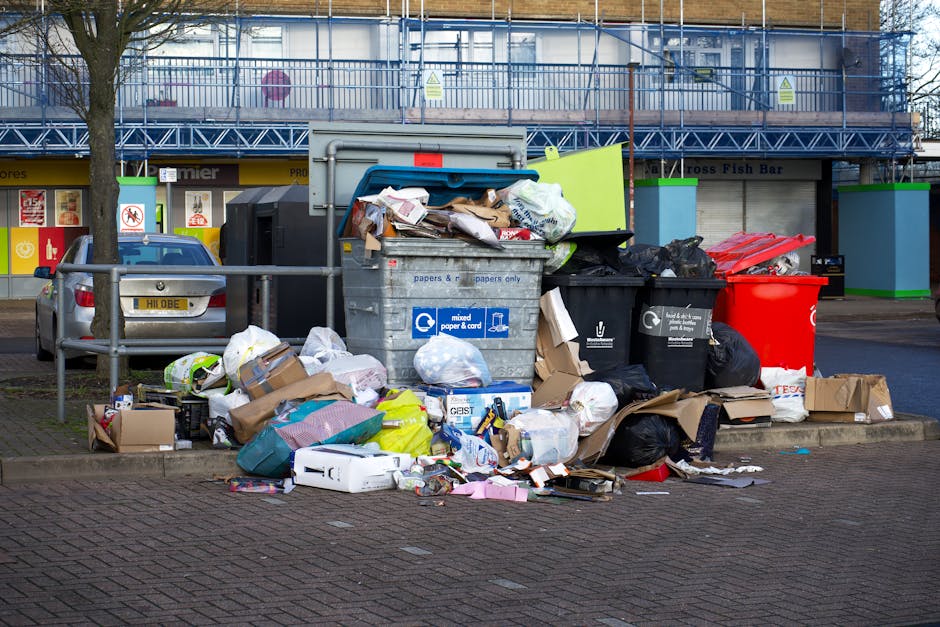
Emergency rubbish removal for flats with access issues N7
If you live in a flat in N7 and rubbish has piled up faster than you can deal with it, access problems can make everything feel twice as stressful. Narrow stairwells, no lift, awkward parking, shared hallways, and a collection deadline that is suddenly very real - it is a messy combination. Emergency rubbish removal for flats with access issues N7 is about getting bulky waste, mixed rubbish, and awkward items out safely, quickly, and without turning the building into a bottle-necked obstacle course.
This guide breaks down how the process works, what to expect, who it helps most, and how to avoid the classic mistakes that waste time. If you are dealing with a one-off flat clearance, old furniture, end-of-tenancy rubbish, or a sudden build-up after a move, you will find practical advice here. And yes, the awkward access bit matters a lot more than people think.
Quick expert summary: In tight-access flats, the real challenge is rarely the waste itself. It is planning the lift, stairs, timing, parking, and carrying route so the job gets done cleanly and quickly.
Contents
- Why Emergency rubbish removal for flats with access issues N7 Matters
- How Emergency rubbish removal for flats with access issues N7 Works
- Key Benefits and Practical Advantages
- Who This Is For and When It Makes Sense
- Step-by-Step Guidance
- Expert Tips for Better Results
- Common Mistakes to Avoid
- Tools, Resources and Recommendations
- Law, Compliance, Standards, or Best Practice
- Options, Methods, or Comparison Table
- Case Study or Real-World Example
- Practical Checklist
- Conclusion
- Frequently Asked Questions
Why Emergency rubbish removal for flats with access issues N7 Matters
Flat waste clearance in N7 becomes complicated when access is awkward. That sounds obvious, but in real life it changes the whole job. A ground-floor property with a front drive is one thing. A top-floor flat with a cramped staircase, a locked communal entrance, and nowhere sensible to park is another story entirely.
When rubbish is left too long, it stops being just "messy". It can start affecting odours, pests, shared living spaces, fire safety in corridors, and neighbour relations. In blocks with common areas, everyone feels it. You can almost hear the sighs through the wall. To be fair, nobody wants to live beside a pile of broken furniture and bin bags on a landing for three more days.
Emergency collection matters because speed helps prevent the problem from spreading. That is especially true after:
- a same-day move-out or last-minute tenancy handover
- an urgent clear-out after a burst pipe, leak, or repair issue
- a builder leaving excess debris in a flat
- an overflowing mix of old furniture, bags, and packaging
- a landlord, agent, or managing company needing the flat returned quickly
N7 includes a mix of converted buildings, mansion blocks, purpose-built flats, and older terraces split into apartments. That usually means access is not straightforward. Tight turns, stair bends, and limited loading space can turn a simple rubbish job into a small logistics puzzle. And that puzzle needs solving before anyone starts lifting.
If your flat is in a busy part of North London, it also helps to think about the neighbourhood context. Parking pressures, controlled streets, and shared entrances all affect timing. For wider area planning and local service context, some customers look at North London waste and clearance coverage as a starting point before arranging a visit.
How Emergency rubbish removal for flats with access issues N7 Works
The process is usually simpler than people expect, but only if the access challenge is understood early. The most efficient teams do not just arrive and hope for the best. They plan the carry route, identify any bottlenecks, and decide whether the job needs one person, two people, or a bigger crew.
Here is the typical flow:
- Initial description. You explain what needs removing, where the flat is, and what access is like. A short photo set often helps a lot.
- Access assessment. The team checks stairs, lifts, parking, entrance width, loading distance, and whether any items need partial dismantling.
- Arrival planning. Timing is arranged to reduce disruption, especially where communal hallways, school runs, or permit parking are involved.
- Removal and loading. Waste is carried out carefully, with protection for walls, floors, and communal areas where needed.
- Sorting and disposal. Reusable, recyclable, and mixed waste are separated where practical. Responsible disposal should always be part of the job, not an afterthought.
In a tight-flat scenario, the biggest time saver is accurate information. A "few bags and a chair" can mean very different things depending on whether there is a lift, whether the lift works, and whether a sofa has to go down a twisting staircase that barely fits a bannister. Funny how that works. The item never looks too big until it is halfway through the doorway.
If the rubbish is mostly furniture, you may also want to consider a dedicated furniture disposal service. If the flat needs a fuller emptying, a flat clearance approach can be a better fit because it is designed around residential access and mixed contents.
Key Benefits and Practical Advantages
Emergency rubbish removal is not just about speed. Done properly, it reduces stress, protects shared spaces, and prevents small problems from becoming expensive ones. In a flat, especially one with access issues, the right approach can make the difference between a controlled clear-out and a very awkward afternoon.
- Fast relief. You get the flat back into usable condition quickly.
- Less disruption. Careful carrying avoids damage to corridors, stairs, lifts, and entrances.
- Better neighbour relations. Shared buildings work better when waste disappears promptly.
- Safer handling. Heavy or awkward items are moved by people used to tight spaces.
- Cleaner handovers. Helpful for moves, inspections, and urgent tenancy changes.
- Less personal risk. You avoid injuries from lifting down stairs or trying to manoeuvre bulky pieces alone.
There is also a mental benefit that people underestimate. When rubbish has built up in a flat, it can feel like the whole place is closing in a bit. Once it is gone, everything feels easier to breathe in. Not dramatic, just true.
Where items are large or awkward, some customers combine services. A sofa, mattress, and bagged clutter might be handled through sofa removal alongside broader rubbish removal. For mixed waste and fast turnaround, that combination often saves time and reduces the number of separate visits.
Who This Is For and When It Makes Sense
This kind of service is useful for a surprisingly wide range of people. If you are thinking, "Yes, but my situation is a bit unusual," that is usually a sign it makes sense.
It is often right for:
- tenants needing a fast clear-out before moving out
- landlords dealing with abandoned or left-behind items
- letting agents preparing a flat for photography or new occupants
- homeowners in converted flats with narrow access routes
- property managers handling bulky waste in shared buildings
- students or sharers with too much built-up clutter and no easy way to move it
- families clearing a relative's flat where access is awkward and time is tight
It also makes sense when the rubbish is not technically "hazardous" but still difficult to shift. Old wardrobes, drawers, broken shelving, bagged household waste, carpet offcuts, and damaged small appliances are all common examples. If the contents are mostly household items, a broader home clearance can be the smoother route.
If your flat is part of a larger residential block, the job may need to be scheduled around building rules. That could mean certain hours for moving items, service lift booking, or notices to neighbours. It is a bit of a faff, yes, but it keeps everyone sane.
Step-by-Step Guidance
If you want the fastest, least stressful result, a bit of preparation helps a lot. Here is the straightforward way to handle it.
- List what needs going. Separate bags, furniture, appliances, and anything that may need dismantling.
- Check the access route. Measure the lift, note stair width, and think about corners, railings, and door frames.
- Note parking options. A vehicle might not park right outside. That changes carry distance and time.
- Take photos if possible. A few honest pictures are more useful than a long explanation. No need for perfection.
- Flag building restrictions. Mention codes, concierge arrangements, lift bookings, or time windows.
- Group items sensibly. Keep small loose rubbish bagged and heavier items together where safe.
- Clear a staging area. Even a narrow patch of floor near the door can make loading smoother.
- Stay reachable on the day. Access details sometimes change, especially in shared blocks.
If the waste includes office-style furniture, archive bags, or desks in a live-work flat, the circumstances may overlap with office clearance needs. It happens more often than you might think in mixed-use properties around N7.
One small but useful habit: keep the first items you want removed closest to the exit. It sounds almost too simple, but on a narrow stairwell every saved step matters. Especially if it is raining and the pavement outside has that damp London smell at 8am.
Expert Tips for Better Results
In our experience, the best emergency flat clearances are the ones where the access plan is treated as seriously as the waste list. Here are the details that make a real difference.
- Tell the truth about access. If the lift is out of order, say so. If the stairs are very tight, say that too.
- Share the awkward item first. The biggest sofa, wardrobe, or mattress is the thing that usually shapes the job.
- Book with buffer time. Emergency does not mean every job is identical. Building access can still slow things down.
- Ask about dismantling. A partially dismantled bed frame or wardrobe can save a lot of trouble.
- Protect common areas. Good crews will try to avoid scuffs, but if the block is tight, floor protection is sensible.
- Bundle related waste. One visit is usually better than two if the load can be handled safely.
A practical example: a top-floor flat in N7 with a broken chest of drawers, bagged general waste, and an old sofa. The sofa is the issue. Once that is solved, the rest feels minor. So lead with the hardest item, not the easiest one. That one detail can change the whole plan.
For people dealing with larger household volumes, house clearance may also be relevant if the flat is part of a broader property clear-out. The key is choosing the service that matches the scale of the job rather than forcing a one-size-fits-all approach.
Common Mistakes to Avoid
Most problems come from underestimating access, overpacking bags, or leaving the hard part until the last minute. The good news is that these mistakes are avoidable.
- Not mentioning stairs or lift issues. This is the classic one. It slows everything down.
- Assuming bulky furniture will fit. It might not, and that is where frustration starts.
- Leaving rubbish spread across the flat. A scattered load takes longer to remove and is harder to carry safely.
- Forgetting parking restrictions. In tight streets, this can add a lot of wasted time.
- Mixing loose items with sharp or heavy objects. It makes handling less safe and more awkward.
- Choosing the cheapest option without checking access experience. Flat access jobs are not the place to gamble, honestly.
A small but common issue is overfilling bin bags so they split on the stairs. Then you have waste on the floor, a more difficult carry, and a mess that should have been avoidable. Not ideal. Not even close.
If the clearance is part of a wider declutter, services like rubbish clearance and waste removal are often compared by customers, but the best choice usually depends on the mix of items, access, and speed needed.
Tools, Resources and Recommendations
You do not need specialist equipment at home, but a few simple tools and habits help a lot before the crew arrives.
- Bin bags or heavy-duty sacks for small mixed rubbish
- Labelled boxes if some items are staying and others are going
- Basic screwdriver or Allen keys for beds and modular furniture
- Sticky notes or tape for marking what must not be taken
- Phone photos of the route, entrance, and bulky items
- Door wedges if appropriate and safe, to avoid repeated opening and closing during loading
For people with more general waste needs, a broader waste collection arrangement can be useful. If the issue is not just removal but disposal after the lift and carry, then waste disposal is the phrase to think about in practical terms.
Recommendation-wise, look for teams that are comfortable working in flats rather than only houses. That may sound like a small distinction, but it matters. Flat jobs are a different rhythm: more coordination, more awareness of neighbours, more lifting through bottlenecks, and usually less room for error.
Law, Compliance, Standards, or Best Practice
For flat rubbish removal, the main compliance concern is that waste is handled and disposed of properly. In the UK, businesses that collect and carry waste should follow accepted duty-of-care practices, and waste should be taken to appropriate facilities. You do not need to turn into a legal expert to book a job, but you do want a provider that treats disposal responsibly.
Best practice usually includes:
- moving waste safely without obstructing communal areas for longer than necessary
- handling bulky items in a way that reduces damage to the property
- sorting recyclable or reusable items where practical
- avoiding fly-tipping and unofficial disposal methods
- being clear about access, loading, and any building rules
If your building has a managing agent or landlord, they may have their own requirements for access, lift use, or collection timing. That is not law in itself, but it can still be a condition of entry or a building rule worth following. Best to check rather than guess.
For customers who want to understand the company behind the service, it can help to read more about the team through the about us page before booking. That sort of reassurance matters when someone is carrying bulky waste through your home.
Options, Methods, or Comparison Table
Different situations call for different approaches. Here is a simple comparison to help you choose.
| Option | Best for | Pros | Watch-outs |
|---|---|---|---|
| Same-day emergency rubbish removal | Urgent clear-outs, tenancy deadlines, sudden mess | Fast, simple, reduces stress | Access details must be accurate |
| Flat clearance | Mixed household contents, larger room-by-room clear-outs | Better for full flat emptying | May be more than you need for a small job |
| Furniture disposal | Sofas, wardrobes, tables, beds | Efficient for bulky pieces | Some items may need dismantling |
| General rubbish removal | Mixed bagged waste and smaller clutter | Flexible and practical | Not always ideal for very large items alone |
As a rule, choose the method that matches the heaviest or most difficult item. That item usually decides the whole job. A small flat can still have a big clearance problem if the sofa is awkward and the stairwell is tight. Simple truth.
Case Study or Real-World Example
Here is a realistic example from the kind of situation people face all the time in N7. A tenant in a third-floor flat needed everything gone before a move-out inspection the next morning. The flat had no lift, the staircase curved at the second landing, and parking outside was limited by neighbouring bays. On paper, it looked like a headache.
The job went smoother because the access was explained properly before arrival. The biggest items were identified first: a small sofa, a broken shelving unit, several bags of mixed rubbish, and a mattress. The team planned the carry route from the front door to the vehicle, protected the tightest corner, and moved the sofa before everything else. That saved time because once the sofa was out, the remaining bags were straightforward.
The key lesson was not glamorous: good communication beat guesswork. A five-minute conversation about the staircase and loading point probably saved half an hour. Maybe more. And the tenant got their flat cleared without having to drag a sofa down three flights of stairs on their own, which is a win in anybody's book.
That kind of practical planning also matters when the property is being emptied after a more involved clear-out. In those cases, services like home clearance or even house clearance can overlap with flat-based emergency work, especially where furniture and mixed household contents are involved.
Practical Checklist
Use this before the team arrives. It makes the whole thing calmer, honestly.
- Identify all items to be removed
- Note the floor level and whether there is a lift
- Check if the lift is working and whether it can take bulky items
- Measure doorways or stair turns if the item is large
- Confirm any parking restrictions or loading access issues
- Tell the provider about codes, intercoms, concierge rules, or key collection
- Bag loose rubbish securely
- Keep clear items separate from items staying
- Put the hardest-to-move item first in the description
- Make sure someone can answer the phone on the day
Helpful reminder: If the flat contains mixed rubbish, a bit of furniture, and awkward access, do not wait until the last minute to explain the access problem. That is the part that changes the job most.
Conclusion
Emergency rubbish removal for flats with access issues N7 is really about turning a stressful, awkward situation into a manageable one. Once you account for stairs, lifts, parking, and the realities of communal living, the whole process becomes much easier to plan. The right approach protects the building, saves time, and gets the flat back to normal without drama.
If you are facing a tight deadline, a heavy item, or a flat clearance that just cannot wait, the smartest move is to describe the access clearly, keep the load organised, and choose a team that understands residential blocks. Small details make a big difference here. They really do.
Get a free quote today and see how much you can save.
And if all you manage today is getting the first bag to the door, that is still progress. Sometimes that is how the clutter starts losing the argument.
Frequently Asked Questions
What counts as emergency rubbish removal for flats with access issues in N7?
It usually means a fast-response waste removal job where the flat is hard to reach, such as through narrow stairs, no lift, limited parking, or shared entrances. The "emergency" part is about speed and urgency, not necessarily danger.
Can rubbish be removed from a top-floor flat with no lift?
Yes, in many cases it can. The main thing is to be clear about the stair layout, item sizes, and any tight turns so the team can plan the carry safely.
Do I need to move everything to the ground floor first?
No, and you probably should not try if items are heavy or awkward. A proper rubbish removal team should handle the carrying route themselves once they know the access details.
How quickly can an emergency flat clearance usually happen?
That depends on the day, the load, and the access. If you give accurate information early, it is much easier to arrange a fast visit. Same-day options may be possible in some situations.
What if the sofa or wardrobe will not fit through the stairwell?
That is exactly why access is so important to mention at the start. Some items may need dismantling, careful rotation, or a different removal plan. Guessing usually makes things worse.
Is flat rubbish removal different from house clearance?
Yes. Flats tend to involve tighter access, more shared areas, and more parking challenges. House clearances can be larger overall, but flat jobs are often trickier from a logistics point of view.
What should I tell the removal team before they arrive?
Tell them about the floor level, lift availability, staircase width, parking, entrance codes, bulky items, and whether any items are fragile or already dismantled. The more honest the description, the smoother the job.
Can you remove mixed household waste and furniture together?
Usually yes, and that is often the most efficient approach. Mixed loads are common in flats, especially after moves or clear-outs. Services like rubbish removal and furniture disposal often overlap in real life.
Do I need to sort recyclable items myself?
Not always, but it helps if you can separate obvious recyclables, reusable items, and general rubbish. That said, practical disposal arrangements can still be managed if the load is mixed.
Will the team protect communal areas in the building?
Good teams will try to minimise impact on hallways, stairs, and lifts. In tighter buildings, careful carrying and sensible planning matter more than fancy promises. It is the basics that count.
What if my building has strict access rules or limited collection times?
Say so upfront. Many flats and managed buildings have timing or access restrictions, and the job needs to be scheduled around them. That is normal, not a problem.
Are there items you cannot just leave for emergency rubbish removal?
Some items may need special handling depending on what they are and how they are classed. If you are unsure, describe them clearly before booking so the provider can advise on the right approach.